

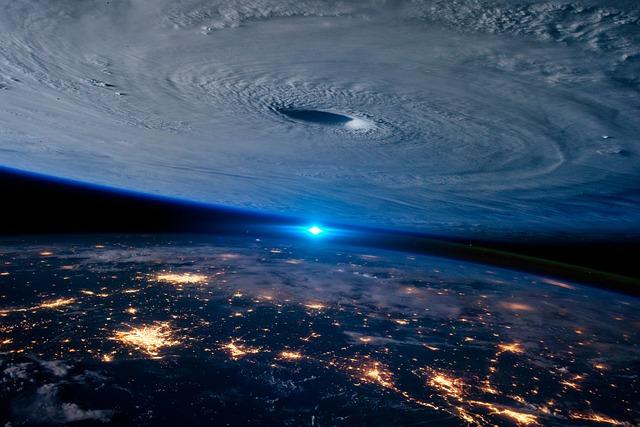
On September 6, 2017, the U.S. Virgin Islands faced one of the most devastating natural disasters in recent history as Hurricane Irma barreled through the Caribbean. With winds exceeding 185 miles per hour, the Category 5 hurricane wreaked havoc across the islands, devastating infrastructure, homes, and livelihoods. As residents braced for the storm’s impact, emergency services mobilized and local communities prepared for the worst. The aftermath of Irma would reveal the profound challenges of recovery and resilience, ultimately prompting significant conversations around climate change, disaster preparedness, and the socio-economic vulnerabilities faced by island nations. This article delves into the events surrounding Hurricane Irma’s landfall in the U.S. Virgin Islands, exploring its immediate consequences and the ongoing efforts to rebuild and restore hope in the face of adversity, with insights from the Zinn Education Project shedding light on historical context and lessons learned.
Impact of Hurricane Irma on the U.S. Virgin Islands Community and Infrastructure
The devastation wrought by Hurricane Irma on the U.S. Virgin Islands was profound and pervasive, leading to significant disruption of both community life and essential services. Many residents faced the immediate challenges of loss of shelter, displacement, and food scarcity. The storm’s ferocity uprooted trees, damaged homes, and collapsed critical infrastructure, leading to widespread power outages and communication breakdowns. The aftermath saw neighbors pulling together, forming makeshift community support networks to address immediate needs such as access to clean water, food distribution, and medical care amidst the chaos.
In terms of infrastructure, the impact was equally alarming, with roads, bridges, and public facilities suffering severe damage. Local businesses faced an uphill battle to recover in the wake of widespread structural devastation and a significant decline in tourism-a key economic driver for the islands. Efforts to assess and rebuild have been slow, with government agencies working to prioritize restoration needs. Community resilience emerged in the form of grassroots organizations focused on rebuilding efforts, highlighting the strength and solidarity of the residents. The path to recovery remains challenging, but the spirit of the U.S. Virgin Islands community endures.
Lessons Learned: Building Resilience in the Face of Future Hurricanes
The devastating impact of Hurricane Irma on the U.S. Virgin Islands in September 2017 serves as a powerful reminder of the need for communities to cultivate resilience against natural disasters. Many islanders were caught off guard, highlighting the importance of comprehensive preparedness plans. Resilience can be enhanced through various strategies, including:
- Community Mobilization: Encouraging local groups to come together to share resources and knowledge.
- Education and Training: Providing regular disaster response training to ensure that all individuals know how to respond effectively.
- Infrastructure Improvements: Investing in stronger buildings and utilities capable of withstanding severe weather events.
- Emergency Communication Systems: Establishing reliable channels for disseminating information before, during, and after storms.
Moreover, building a culture of preparedness involves fostering collaboration among various stakeholders, including government agencies, non-profit organizations, and local citizens. Effective learning from past experiences is crucial to developing adaptive methods to respond to future events. Some essential elements to consider include:
| Element | Description |
|---|---|
| Resource Allocation | Ensuring sufficient funding and resources are available for emergency response and recovery. |
| Community Drills | Conducting regular drills to practice evacuation procedures and response strategies. |
| Cross-Sector Partnerships | Forming alliances with businesses and local organizations to enhance support networks. |
Advocating for Comprehensive Disaster Preparedness and Response Strategies
The catastrophic impact of Hurricane Irma on the U.S. Virgin Islands serves as a stark reminder of the critical need for robust disaster preparedness and response strategies. In the wake of such devastating events, communities are often left grappling with a myriad of challenges including the disruption of essential services, housing shortages, and psychological trauma. Effective strategies must encompass a multi-faceted approach that emphasizes planning, resource allocation, and community engagement. By developing comprehensive frameworks, local governments can ensure that they are not only equipped to respond to immediate needs but are also prepared to support long-term recovery efforts.
To enhance resilience in the face of future disasters, several key elements should be integrated into preparedness initiatives:
- Community Engagement: Involving local residents in planning processes to build trust and awareness.
- Resource Inventory: Establishing a database of materials, skills, and volunteers available for disaster response.
- Training and Drills: Regularly conducting exercises that prepare both citizens and emergency services.
- Information Dissemination: Creating clear communication channels to disseminate information during emergencies.
- Partnerships: Fostering collaborations between local agencies, NGOs, and private sectors for resource sharing.
These strategies are essential not only to mitigate damage in the event of disasters but also to build resilient communities that can recover swiftly and emerge stronger.
Final Thoughts
In conclusion, the impact of Hurricane Irma on the U.S. Virgin Islands on September 6, 2017, serves as a stark reminder of nature’s devastating power and the resilience of the communities affected. The storm not only destroyed infrastructure but also disrupted lives, with many residents grappling with loss and displacement in its aftermath. The response from both local and national entities highlights the importance of preparedness, as well as the need for ongoing support in recovery efforts. As the U.S. Virgin Islands continues to rebuild, the lessons learned from this catastrophic event remain crucial for future disaster readiness and response. The Zinn Education Project underscores the importance of educating future generations about these events, ensuring that the stories of those impacted are not forgotten, but rather serve as a catalyst for change and advocacy in the face of climate challenges.

