

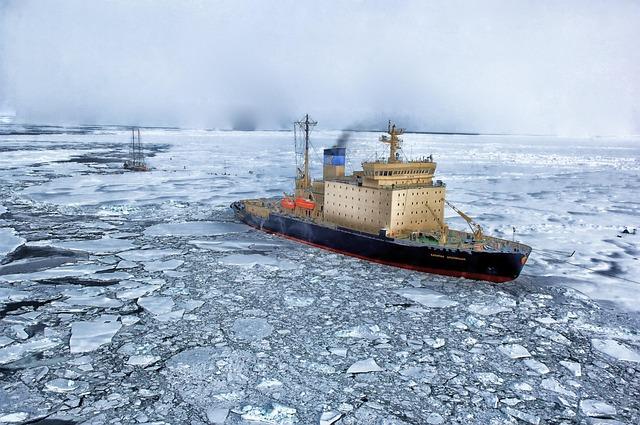
As climate change continues to reshape the planet, the Arctic is heating up at an alarming rate, presenting both challenges and opportunities for nations with interests in this rapidly changing region. In response to melting ice and expanding navigable waters, the United States Coast Guard is ramping up its preparations for a new era of maritime activity in the North. With an aging fleet of icebreakers and increasing demand for Arctic operations, the Coast Guard is positioning itself for what could be a significant surge in activity-ranging from shipping and resource extraction to national security missions. This article delves into the implications of a warming Arctic and explores how the Coast Guard’s icebreaker fleet is gearing up to navigate these uncharted waters, heralding a new chapter in American maritime strategy.
Arctic Warming: The Urgent Need for Enhanced Icebreaker Capabilities
The Arctic region is undergoing unprecedented changes as climate conditions shift, presenting a dual challenge: an accelerating rate of ice melt paired with increased maritime activities. This transformation necessitates a robust response from the U.S. Coast Guard, particularly in enhancing its icebreaker capabilities. With shipping routes becoming more accessible and potential resources being uncovered, the need for a reliable fleet to navigate these icy waters has never been more crucial. By investing in advanced icebreaker technology, the Coast Guard can not only ensure the safety of vessels traversing these routes but also play a pivotal role in environmental stewardship and national security.
Moreover, the implications of these developments resonate far beyond mere transportation. The changing Arctic is becoming a focal point for geopolitical interests, with nations vying for dominance in a region rich in untapped resources. To maintain a leadership position, the U.S. must prioritize not only the quantity but also the capabilities of its icebreaker fleet. A comprehensive review indicates that the following areas should be key focuses in enhancement efforts:
| Focus Area | Importance |
|---|---|
| Increased Fleet Size | To manage growing shipping traffic and search & rescue operations. |
| Technological Advancements | To improve navigation and operational efficiency in ice-laden waters. |
| Research & Surveillance | To monitor environmental changes and assess ecological impacts. |
Strategic Investments: Modernizing the Coast Guard Fleet to Address Climate Change Challenges
With the increasing effects of climate change, the U.S. Coast Guard is strategically modernizing its icebreaker fleet to ensure it can effectively manage the challenges that arise in a warming Arctic. The modern fleet will be equipped with advanced technologies, enhancing their capabilities to conduct search and rescue operations, environmental protection missions, and ensure safe navigation in thawing waters. This modernization effort promises not only to bolster U.S. presence in the Arctic but also to protect vital shipping routes as international activity increases, driven by easier access to resources.
The new icebreakers will feature:
- Improved maneuverability: Enhanced hull designs that facilitate navigation through thick ice.
- Environmental compliance: Technology that minimizes emissions and manages waste effectively.
- Research capabilities: Enhanced systems for scientific studies of climate change impacts.
| Current Fleet | Modernized Fleet Goals |
|---|---|
| Limited operational capacity | Increased operational readiness |
| Older technology | State-of-the-art systems |
| High maintenance costs | More cost-effective operations |
Navigating New Frontiers: Recommendations for Effective Arctic Operations and Cooperation
As the Arctic becomes increasingly accessible due to climate change, effective operations and collaboration are imperative for ensuring sustainable development in the region. Stakeholders must prioritize the following strategic approaches:
- Enhanced Coordination: Foster collaboration across federal, state, and local agencies to create unified operational protocols.
- Investment in Technology: Leverage cutting-edge technologies, such as autonomous vessels and satellite monitoring, to improve safety and efficiency.
- Environmental Protection: Implement strict environmental safeguards to protect fragile ecosystems while pursuing economic opportunities.
- Community Engagement: Establish partnerships with Indigenous communities to ensure their voices and traditional knowledge inform operational planning.
In addition to these focused strategies, a concerted effort to enhance training and resource allocation is essential. Establishing a robust training framework for personnel will ensure readiness for the unique challenges Arctic operations present. Key funding and resource metrics should be closely monitored, as outlined in the following table:
| Resource Type | Current Allocation | Recommended Increase |
|---|---|---|
| Icebreaker Fleet Upgrades | $200 million | $300 million |
| Training Programs | $50 million | $100 million |
| Environmental Research | $30 million | $75 million |
To Wrap It Up
As the Arctic undergoes significant transformations due to climate change, the U.S. Coast Guard’s icebreaker fleet is bracing for an increase in activity and responsibilities in the region. The melting ice is not only opening new shipping routes but also raising concerns about environmental protection and national security. With advancements in technology and a renewed commitment to Arctic operations, the Coast Guard aims to ensure safe navigation and uphold U.S. interests in these rapidly changing waters. As this pivotal moment unfolds, ongoing investment in the fleet and strategic planning will be crucial to effectively manage the challenges and opportunities that lie ahead. The implications of a warming Arctic extend far beyond its icy borders, setting the stage for a new chapter in U.S. maritime policy and international relations. As the situation develops, all eyes will be on how effectively the Coast Guard can adapt to the demands of this dynamic environment, marking a significant turning point in America’s engagement with one of the most sensitive regions on the planet.

