

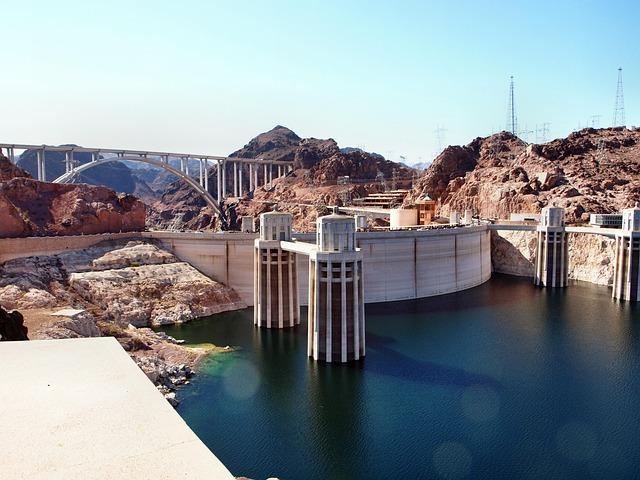
As the American Southwest grapples with a persistent drought, Lake Mead-the country’s largest reservoir-has reached a historic low water level, raising alarms about both regional water supply and the broader implications for the Colorado River system. Recent reports indicate that the lake’s water levels have dropped to unprecedented lows, a troubling trend that echoes broader environmental and infrastructural challenges faced by states dependent on this vital water resource. With climate change exacerbating conditions and increasing demand, the stakes have never been higher for the millions of people who rely on the Colorado River. This article delves into the current state of Lake Mead, the factors contributing to its decline, and the potential consequences for communities and ecosystems across the Southwestern United States.
Lake Mead Reaches Record Low Water Levels Amidst Ongoing Colorado River Crisis
As Lake Mead continues its downward spiral, the implications of this historic low are reverberating throughout the southwestern United States. The reservoir, a critical water source for millions, has fallen to levels not seen since the 1930s, prompting urgent discussions among water managers and policymakers. Recent studies reveal that the decline in water levels is primarily fueled by a combination of prolonged drought conditions and over-allocation of Colorado River resources, which have left the area grappling with an unprecedented water scarcity crisis. Stakeholders are now faced with the pressing task of ensuring sustainable water supply to urban populations and agricultural lands, all while combating dwindling reserves.
Emergency measures are being considered to address the escalating situation. These include:
- Water Rationing: Implementing stricter usage policies to conserve remaining water supplies.
- Infrastructure Investments: Upgrading facilities to improve water efficiency and storage capabilities.
- Collaborative Agreements: Negotiating voluntary cutbacks among states sharing the Colorado River.
To highlight the severity of the crisis, the following table breaks down the current percentage capacity of major reservoirs along the Colorado River:
| Reservoir | Current Capacity (%) |
|---|---|
| Lake Mead | 28% |
| Lake Powell | 34% |
| Lake Havasu | 52% |
The path forward remains complex and fraught with challenges, particularly as climate change continues to exacerbate the region’s water scarcity. As communities rally to adapt, the long-term ramifications of Lake Mead’s reduced levels will likely shape water management strategies for generations to come.
Impact on Water Supply and Regional Ecosystems: Analyzing the Consequences of Low Reservoirs
The alarming decline of Lake Mead’s water levels has raised significant concerns regarding water supply for millions of residents and agriculture across the Southwestern United States. As the largest reservoir in the country, its depletion is a critical issue affecting not only urban areas but also rural communities heavily reliant on the Colorado River. The primary implications include:
- Reduced Water Allocations: Municipalities and farmers are likely to face cutbacks in their water allocations, leading to potential shortages during peak consumption periods.
- Increased Competition: With less water available, competition among states for Colorado River resources is intensifying, fostering disputes that could exacerbate tensions.
- Impact on Agriculture: Crop yields may suffer as irrigation becomes less reliable, affecting food supply chains and agricultural economies.
The ecological ramifications of low water levels in Lake Mead extend beyond human needs, threatening regional ecosystems that rely on a stable water supply. The alteration of the reservoir’s natural state disrupts habitats for numerous species, from fish to birds, which depend on the delicate balance of water levels for their survival. Key environmental consequences include:
- Loss of Biodiversity: Species already under stress from climate change may face extinction without adequate water resources.
- Altered Water Quality: Concentrated pollutants as water recedes could harm aquatic life and the surrounding ecosystems.
- Increased Invasive Species: Alterations in habitat could allow invasive species to thrive, further complicating ecological balance.
| Impact | Consequences |
|---|---|
| Water Supply | Shortages for residents and agriculture |
| Local Ecosystems | Decline in native species and biodiversity |
| Water Quality | Increased pollutants affecting wildlife |
Strategies for Mitigating the Water Shortage: Expert Recommendations for Sustainable Management
Experts advocate for a multi-faceted approach to managing water resources effectively as Lake Mead continues to face unprecedented low water levels. Among the primary recommendations are:
- Enhanced Water Conservation Practices: Communities and industries are encouraged to adopt more stringent water-saving measures, such as installing low-flow fixtures and implementing rainwater harvesting systems.
- Investment in Infrastructure: Upgrading aging water supply and treatment systems can significantly reduce waste and improve overall water efficiency.
- Water Pricing Reform: Adjusting pricing structures to reflect the true cost of water usage can incentivize conservation and more responsible management.
Additionally, experts highlight the importance of collaboration between government agencies, local communities, and agricultural sectors in sustainable water management. Initiatives may include:
- Regional Water Sharing Agreements: Establishing cooperative agreements that facilitate equitable water distribution among states sharing the Colorado River basin.
- Research and Development: Funding innovations in water recycling and desalination technologies to diversify supply sources.
- Public Awareness Campaigns: Educating the public on the critical state of water resources and promoting community-based conservation activities.
| Strategy | Description |
|---|---|
| Water Conservation | Implement practices that reduce water usage across all sectors. |
| Infrastructure Investment | Upgrade systems to minimize leakage and enhance efficiency. |
| Community Collaboration | Work together on regional solutions and resource sharing. |
In Retrospect
As Lake Mead continues its downward trajectory, reaching historic low water levels, the implications for the Colorado River and the millions who rely on its resources grow ever more serious. The situation underscores the urgent need for comprehensive water management strategies and regional cooperation to address the escalating water crisis in the American West. With climate change and prolonged drought exacerbating an already fragile ecosystem, the urgency for action has never been more pronounced. Stakeholders must now confront the reality of dwindling supplies and work collaboratively to forge sustainable solutions that will safeguard the future of this vital water source. As we monitor developments in the region, the impact of these changes will undoubtedly reverberate through local communities, agriculture, and ecosystems for years to come.

