

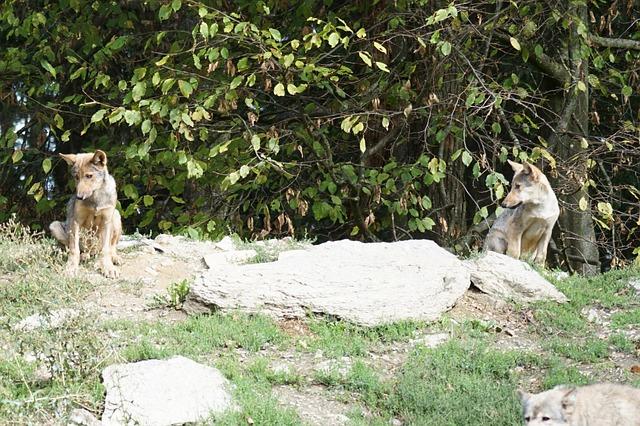
In a significant move that underscores the complexities of wildlife management and intergovernmental relations, the Trump administration has mandated that any wolves reintroduced to Colorado must originate from designated states within the U.S. Rockies, explicitly excluding populations from Canada. This decision is poised to shape the state’s ongoing efforts to restore wolf populations, a topic of considerable debate among conservationists, ranchers, and local communities. The ruling aligns with the broader discourse on habitat preservation and ecological balance while raising questions about the implications for genetic diversity and the broader conservation strategies employed across North America. As Colorado prepares to implement its reintroduction plan, the directive adds a new layer of scrutiny to an already contentious issue, prompting reactions from various stakeholders invested in the future of the state’s wildlife.
Trump Administration Mandates Indigenous Source for Colorado Wolf Reintroduction
The recent mandate from the Trump administration regarding the reintroduction of wolves in Colorado has sparked a robust debate among conservationists, ranchers, and state officials alike. Under this new directive, wolves designated for the reintroduction efforts must be sourced from states within the U.S. Rockies, which includes Montana, Idaho, and Wyoming. This approach aims to ensure that the wolves released into Colorado are genetically similar to the existing populations in the region, potentially increasing their chances of successful adaptation and survival. The move has drawn both support and criticism; advocates argue it is crucial for preserving the ecological balance, while opponents fear the impact on livestock and other wildlife in the area.
As the reintroduction plan unfolds, several key factors are being highlighted in discussions surrounding its implementation:
- Genetic Integrity: Maintaining a genetically similar population is believed to support the resilience of the wolf species in the new environment.
- Ecological Benefits: Proponents argue that wolves play a critical role in ecosystem management by controlling deer and elk populations, fostering biodiversity.
- Economic Implications: Concerns about the potential financial burden on ranchers and the local economy have been raised, emphasizing the need for strategic management plans.
Implications of Federal Guidelines on Colorado’s Wildlife Management Strategies
The recent directives from the Trump administration regarding wolf relocation have significant implications for wildlife management strategies in Colorado. By mandating that wolves introduced to the state come solely from U.S. Rockies states, rather than Canada, the guidelines restrict the genetic diversity of potential wolf populations. This adjustment raises several critical considerations for wildlife managers and conservationists, including:
- Genetic Diversity: Limited sourcing may result in inbreeding, which could weaken wolf populations.
- Ecological Balance: Wolves play a crucial role in maintaining ecosystems, and their successful introduction depends on their adaptability to local environments.
- Management Practices: Colorado may need to develop new regulations and practices to comply with federal guidelines while ensuring a sustainable wildlife balance.
Moreover, this federal approach may shape state-level policies and public perceptions surrounding wildlife management. The necessity of adhering to these guidelines could complicate collaborative efforts between state and federal agencies, particularly when considering the ecological significance of wolf populations in broader conservation initiatives. A collaborative framework might require:
| Strategy | Action Required |
|---|---|
| Engagement with Local Stakeholders | Involve ranchers, environmentalists, and local communities in planning. |
| Monitoring Programs | Implement proactive measures for tracking wolf populations and their impact on ecosystems. |
| Education Campaigns | Promote awareness on the importance of wolves to mitigate conflicts with human activities. |
Evaluating Conservation Outcomes: Balancing Local Ecosystems with Federal Regulations
In a recent decision, the Trump administration has mandated that any wolves reintroduced in Colorado must originate from the U.S. Rockies states, specifically excluding Canadian populations. This move reflects a broader trend of balancing local conservation initiatives with federal policy, which often dictates the frameworks within which these efforts must operate. Proponents argue that utilizing native wolves from surrounding states helps maintain genetic diversity suited to the specific ecosystems of Colorado, while critics voice concerns that artificially limiting the genetic pool may hinder recovery efforts. Some key considerations in this discussion include:
- Genetic Integrity: Ensuring that the wolves reintroduced are genetically compatible with the local ecosystem.
- Ecological Balance: Understanding the role of wolves in managing prey populations and promoting biodiversity.
- Legal and Political Framework: Navigating the complexities of state versus federal regulatory environments affecting conservation strategies.
As stakeholders assess the implications of these regulations, it becomes clear that a collaborative approach-one that engages local communities, state agencies, and federal authorities-is essential for successful outcomes. Effective conservation efforts must not only adhere to federal mandates but also reflect the ecological realities on the ground. A recent analysis of potential reintroduction strategies reveals varying opinions among conservationists:
| Strategy | Supporters | Concerns |
|---|---|---|
| Local Sourcing | 70% | Risk of inbreeding |
| Canadian Sourcing | 30% | Ecological incompatibility |
This table illustrates the split opinions on sourcing wolves for reintroduction, emphasizing the need for ongoing dialogue as conservation policies evolve in response to both ecological science and regulatory frameworks.
The Conclusion
In conclusion, the Trump administration’s directive regarding the relocation of wolves to Colorado has sparked both support and opposition among conservationists, wildlife advocates, and local communities. By insisting that these wolves originate solely from U.S. Rockies states, the administration is aiming to bolster the state’s ecological balance while navigating the complexities of wildlife management. As Colorado prepares for the reintroduction of this apex predator, the implications of this decision will undoubtedly reverberate across the region, influencing not only the local ecosystem but also the ongoing conversation about wildlife conservation strategies nationwide. Stakeholders will continue to closely monitor the developments surrounding this policy, as both the ecological and socio-political landscapes evolve in response to the challenges and opportunities that come with restoring the gray wolf population in Colorado.

