

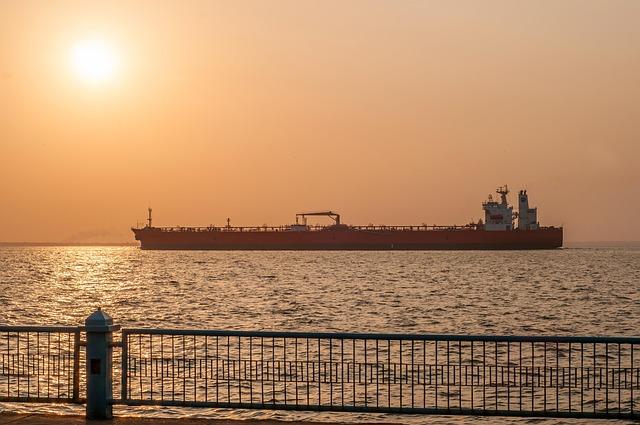
As the world collectively navigates the complexities of energy transition and geopolitical tensions, the focus on Venezuela’s vast oil reserves has intensified. While the United States considers the potential for re-engaging in the Venezuelan oil market to alleviate global energy pressures, analysts warn that numerous challenges lie ahead. In a recent PBS report, experts delve into the multifaceted obstacles the U.S. may encounter in its efforts to unlock Venezuela’s oil potential. From political instability and economic sanctions to environmental concerns and OPEC dynamics, this analysis sheds light on the intricate landscape that could shape America’s approach to Venezuela’s untapped resources. As discussions around energy sustainability and security continue to evolve, understanding these challenges is crucial for policymakers and the public alike.
Challenges in Assessing Venezuela’s Oil Reserves Amid Political Turmoil
The complexity of evaluating Venezuela’s oil reserves is significantly heightened by the country’s ongoing political instability. The government, beset by accusations of corruption and mismanagement, has made it challenging for independent assessments to be conducted. Analysts note that the lack of transparency surrounding production figures and reserve counts creates uncertainty, complicating potential investment opportunities. Furthermore, entrenched interests within the state-controlled oil company, Petróleos de Venezuela S.A. (PDVSA), often contribute to inflated statistics or selective reporting, which can mislead international players eager to tap into Venezuela’s substantial oil wealth.
Additionally, the imposition of U.S. sanctions further complicates the landscape. These sanctions not only restrict American companies from engaging with PDVSA but also deter other foreign investors from entering a market that appears both attractive and risky. Key challenges include:
- Infrastructure Decay: Years of underinvestment and mismanagement have degraded oil extraction facilities, affecting output reliability.
- Regulatory Uncertainty: Frequent shifts in government policy make navigating the legal landscape complex for potential foreign investors.
- Political Resistance: Any attempt to revitalize the oil sector may face pushback from government factions loyal to the current administration.
Considering these hurdles, investors and analysts are left grappling with critical data gaps. The scenario calls for innovative strategies to not only assess available reserves accurately but also develop a pathway for potential collaboration with a government that remains deeply contentious on the world stage.
Economic Sanctions and Their Impact on U.S. Access to Venezuelan Oil
U.S. economic sanctions have significantly curtailed access to Venezuelan oil, complicating efforts for potential energy collaborations. The sanctions, initially imposed to pressure the Venezuelan government, have led to a sharp decline in oil production and exports, profoundly affecting the nation’s economy. As the U.S. seeks to alleviate global energy shortages and mitigate rising prices, the sanctions present multifaceted challenges that need addressing. Among these challenges are:
- Political Relations: The intricacies of U.S.-Venezuela diplomatic relations hinder negotiations, as both sides hold firm to their stances.
- Legal Barriers: Companies looking to invest or operate in Venezuela face considerable legal uncertainties due to the ongoing sanctions.
- Infrastructure Issues: Decades of mismanagement and underinvestment in the oil sector have left Venezuela with aging infrastructure, complicating any plans for revitalization without substantial foreign investment.
Furthermore, it’s crucial to understand the broader geopolitical dynamics at play, including China’s and Russia’s involvement in Venezuela. These nations have maintained more robust ties with the Venezuelan government, complicating U.S. access to the oil market. A comparative analysis reveals key insights:
| Country | Relationship with Venezuela | Oil Production Support |
|---|---|---|
| United States | Sanctions imposed | Limited |
| China | Strategic ally | Investment and loans |
| Russia | Military partnership | Technical assistance |
The intersection of these factors paints a complex picture for U.S. aspirations regarding Venezuelan oil accessibility, and future strategies will require a nuanced approach that balances economic interests with geopolitical realities.
Strategic Recommendations for Navigating Geopolitical Obstacles in Oil Investment
To effectively navigate the complex geopolitical landscape surrounding oil investments in Venezuela, stakeholders must adopt a multifaceted approach that emphasizes diplomatic engagement and risk management. The following strategies can serve as vital components in this process:
- Engage with Local Stakeholders: Building relationships with Venezuelan officials and local businesses can create opportunities for smoother operations and enhanced mutual trust.
- Monitor Regulatory Changes: Keeping abreast of changes in both U.S. and Venezuelan regulations will be essential to remain compliant and adaptable.
- Diversify Investment Portfolios: To mitigate risks associated with Venezuelan oil assets, investors should consider diversifying their portfolios across different regions and energy sectors.
In addition to diplomatic and strategic maneuvers, investors should also consider leveraging technology and innovation to enhance operational efficiency. This could be achieved through:
| Technology | Benefit |
|---|---|
| Blockchain | Enhances transparency in shipping and transactions. |
| Data Analytics | Improves decision-making through better forecasting. |
| Remote Monitoring | Reduces operational risks and costs. |
By combining strategic diplomatic efforts with innovative technological solutions, investors can better position themselves to navigate the intricate geopolitical hurdles in unlocking Venezuela’s oil potential.
Closing Remarks
In conclusion, as the U.S. navigates the complex landscape of unlocking Venezuela’s significant oil reserves, it is faced with a myriad of challenges that extend beyond mere economic interests. The interplay of geopolitical tensions, domestic political considerations, and the pressing need for sustainable energy practices complicates any potential path forward. Analysts emphasize that while the allure of Venezuelan oil might present tantalizing prospects, the historical context of U.S.-Venezuela relations, coupled with the intricacies of international diplomacy and market dynamics, will play a crucial role in shaping outcomes. As the situation continues to evolve, the implications for global energy markets and regional stability warrant close attention. The road ahead may be fraught with hurdles, but understanding these dynamics is essential for policymakers and stakeholders alike.

