

Title: Venezuela’s Healthcare Crisis Worsens as U.S. Forces Drive Cuban Doctors Away
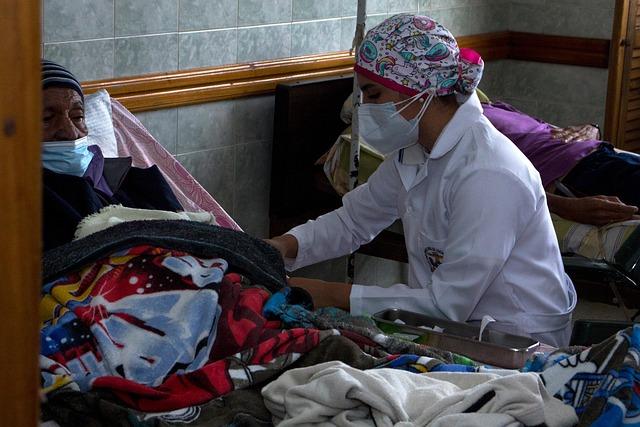
In the midst of an ongoing humanitarian crisis, Venezuela’s healthcare system is facing unprecedented challenges as U.S. policy shifts compel an exodus of Cuban medical professionals, who have long been a mainstay of the nation’s healthcare infrastructure. With shortages of essential medications and medical supplies already crippling hospitals, the departure of these doctors exacerbates an already dire situation. This article explores the implications of the diminishing support from Cuban healthcare workers, the impact on Venezuelan patients, and the socio-political complexities that intertwine Cuba’s medical aid with American foreign policy. As the country grapples with escalating public health risks, the future of its healthcare system hangs in the balance.
Venezuela’s Healthcare Crisis Deepens Amidst Departure of Cuban Medical Personnel
The ongoing healthcare crisis in Venezuela has been exacerbated by the significant departure of Cuban medical personnel, a crucial component of the country’s healthcare system. With over 20,000 Cuban doctors previously operating in desperate communities across Venezuela, their exit has left an alarming void. Many have left due to increased pressure and tensions between the U.S. and Cuba, which has intensified fears among the remaining medical staff about job security and safety. The consequences of this migration have been profound:
- Facilities are experiencing severe shortages of medical professionals.
- Patients face longer waiting times and reduced access to essential services.
- Chronic diseases, which require ongoing treatment, are increasingly neglected.
As Venezuela grapples with these challenges, the government has sought to recruit local healthcare workers to fill the gap. However, many professionals are reluctant to join the public healthcare system, which is often underfunded and fraught with systemic issues. In a stark illustration of the deteriorating situation, consider the following table detailing the number of doctors per capita in Venezuela compared to other Latin American countries:
| Country | Doctors per 1,000 people |
|---|---|
| Venezuela | 2.5 |
| Cuba | 8.4 |
| Argentina | 3.7 |
| Brazil | 2.4 |
This stark disparity highlights the urgent need for substantial reforms and greater international support to address the overwhelming healthcare challenges faced by the population, especially in the light of the escalating crises linked to the medical personnel exodus.
Impact of U.S. Policies on Venezuelan Health Services and Patient Care
In recent years, U.S. policies have significantly impacted the already fragile healthcare system in Venezuela, contributing to a crisis that undermines patient care. The imposition of sanctions has limited the government’s ability to import essential medical supplies, pharmaceuticals, and equipment necessary for functioning hospitals. Notably, the intensified restrictions on trade have led to dire shortages, leaving healthcare workers struggling to provide even basic services. As a result, many facilities have been compelled to close or operate at reduced capacity, exacerbating the suffering of a populace in desperate need of care.
Furthermore, the recent forced exit of Cuban doctors-who have long been a cornerstone of Venezuela’s public health strategy-has further diminished healthcare access. Cuban medical personnel have historically provided critical support in rural and underserved areas, filling gaps left by a depleted local workforce. The combination of sanctions and the withdrawal of these healthcare providers has created a perfect storm, leading to skyrocketing wait times for treatment and an uptick in preventable diseases. This dilemma can be encapsulated in the following points:
- Supply Chain Disruptions: Sanctions restrict access to vital medical imports.
- Healthcare Worker Exodus: Economic instability has forced many local doctors to flee the country.
- Increased Mortality Rates: Reduced access to medical care has led to rising death tolls from treatable conditions.
| Impact Area | Current Situation |
|---|---|
| Medical Supply Shortages | Over 70% of essential drugs unavailable |
| Healthcare Facilities | More than 300 hospitals under operation below standard |
| Medical Personnel | Estimated 50,000 doctors have left Venezuela |
Strategies for Revitalizing Healthcare Access and Support for Affected Communities
Revitalizing healthcare access in Venezuela requires a multifaceted approach to address the challenges exacerbated by the recent withdrawal of foreign medical personnel. Collaborative partnerships with NGOs and community organizations can facilitate targeted programs that focus on immediate healthcare needs. Key strategies include:
- Local Capacity Building: Training and empowering local healthcare workers can ensure communities are equipped to manage their health needs effectively.
- Mobile Clinics: Deploying mobile healthcare units to rural and underserved areas can bridge the gap in services that citizens currently face.
- Community Health Initiatives: Engaging local populations in preventative care and health education can improve overall community health outcomes.
In addition to community-driven approaches, leveraging technology can enhance service delivery and monitoring. Initiatives such as telemedicine can provide access to specialist care without the need for physical travel, which is crucial in a country where resources are scarce. A focus on data-driven policymaking can inform government and NGO efforts to allocate resources effectively. For clarity, the following table outlines some proposed programs and their objectives:
| Program | Objective | Target Population |
|---|---|---|
| Local Healthcare Training | Empower local providers | Community health workers |
| Mobile Clinics | Improve access to care | Rural populations |
| Telemedicine Services | Access specialist care | Urban and remote areas |
Final Thoughts
In conclusion, the healthcare crisis in Venezuela has reached alarming depths as the departure of Cuban doctors, exacerbated by U.S. interventions, leaves a significant void in an already overburdened system. With the Venezuelan population grappling with severe shortages of essential medical services and medications, the ongoing political and economic turmoil continues to threaten the well-being of millions. As international attention remains focused on the region, the need for comprehensive solutions that prioritize the health and safety of Venezuelans is increasingly urgent. The path forward will require both domestic and international efforts to restore a once-functioning healthcare system, alleviating the suffering of a population caught in the crossfire of geopolitical strife.

