

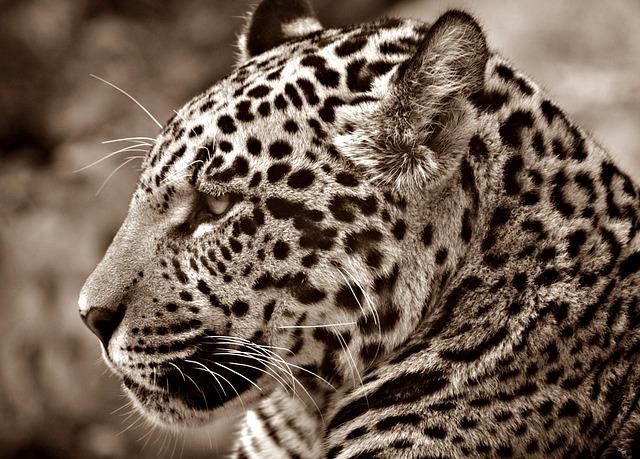
As jaguars, once prominent across the southern United States, show signs of recovery in their populations in Mexico, the question arises: will the proposed border wall hinder their return to U.S. territory? With conservationists noting an uptick in sightings of these majestic big cats just south of the border, the intersecting issues of wildlife protection and border security come to the forefront. In a landscape where environmental concerns clash with national policy, the border wall-an infrastructure project designed primarily for immigration control-has raised alarms among ecologists, who warn that it could create a barrier to one of North America’s most iconic predators. This article delves into the complexities surrounding jaguar recovery efforts and the potential impacts of the border wall on their migration routes, highlighting the delicate balance between human development and wildlife conservation.
Assessing the Impact of Border Infrastructure on Jaguar Habitat Connectivity
The resurgence of jaguar populations in the Americas brings both hope and challenge, particularly when assessing how infrastructural developments, such as border walls, may impact these majestic felines. Connectivity is crucial for jaguars, whose territories can span vast areas. Blockades in the form of border infrastructure can create significant barriers to their movement, fragmenting populations and limiting genetic diversity. Conservationists are particularly concerned about areas where existing habitats intersect with proposed structures, fearing such developments could further endanger a species that relies on extensive travel for hunting, mating, and foraging activities.
Understanding the potential effects of these structures requires a comprehensive analysis of the landscape and wildlife needs. Key factors to consider include:
- Habitat Fragmentation: Limits access to essential resources such as prey and mating opportunities.
- Genetic Diversity: Isolated populations may face inbreeding, weakening the overall health of the species.
- Wildlife Corridors: The integration of designated pathways can mitigate negative impacts, allowing safe passage across borders.
In light of these considerations, collaborative efforts among biologists, policymakers, and communities are critical to ensure that the jaguar’s path to recovery is not obstructed by developments that prioritize human needs over ecological necessity.
Conservation Strategies for Protecting Jaguar Populations Amidst U.S. Border Policies
As efforts to bolster jaguar populations in the southern U.S. and northern Mexico gain momentum, conservationists are increasingly concerned about the impact of U.S. border policies on these majestic cats. Effective conservation strategies must be multifaceted and adaptive to the evolving political landscapes that can threaten wildlife corridors essential for the migration and genetic diversity of jaguar populations. Key components of these strategies include:
- Wildlife Corridors: Establishing and maintaining biological corridors that connect fragmented habitats across borders can enhance movement and genetic interchange among jaguar populations.
- Community Engagement: Involving local communities in conservation efforts ensures that local populations value and protect jaguars as part of their cultural and ecological heritage.
- Policy Advocacy: Collaborating with government agencies to advocate for policies that consider wildlife conservation in border security measures is crucial.
- Research Initiatives: Investing in research to better understand the ecological needs of jaguars and the potential impacts of the border wall can guide conservation practices.
Recent studies highlight the effectiveness of habitat restoration and rewilding in areas adjacent to borders, promoting a healthy ecosystem for jaguars. Moreover, international cooperation on biodiversity treaties can help mitigate the negative repercussions of infrastructural projects. To better visualize the current status of jaguar populations while also highlighting conservation efforts, the following table illustrates recent sightings and recovery efforts:
| Region | Recent Sightings | Conservation Initiatives |
|---|---|---|
| Southern Arizona | 5 | Habitat restoration and community education |
| Sonora, Mexico | 12 | Wildlife corridors established |
| New Mexico | 2 | Monitoring programs implemented |
Collaborative Efforts to Ensure Safe Corridors for Reestablishing Jaguar Territories
In a concerted effort to facilitate the resurgence of jaguars within their historical ranges, conservationists are joining forces with governmental agencies, NGOs, and local communities to develop and maintain safe corridors. These corridors are essential links that connect fragmented habitats across the U.S.-Mexico border, enabling genetic exchange and reducing the risks of inbreeding. Key strategies being implemented include:
- Habitat Restoration: Revitalizing areas that have been compromised by human activities to create lush environments ideal for jaguars.
- Wildlife Crossings: Building overpasses and underpasses specifically designed for safe wildlife passage across highways and barriers.
- Community Engagement: Involving local residents in conservation initiatives, increasing awareness and fostering a sense of stewardship for these majestic felines.
Advocates emphasize the need for continuous dialogue and collaboration between various stakeholders to effectively mitigate the impact of barriers like the border wall. Innovative approaches are being explored, such as wildlife tracking systems and ecological connectivity mapping, which can pinpoint critical areas for conservation efforts. A recent study highlights the importance of coordinated management plans that consider not only jaguar habitats but also the socio-economic factors affecting the regions they traverse:
| Key Factors | Impact on Jaguars |
|---|---|
| Land Use Changes | Fragmentation of habitats |
| Local Economy | Potential support for conservation |
| Community Awareness | Increased support for jaguar protection |
In Retrospect
In conclusion, the recovery of the jaguar population in Central and South America presents a crucial opportunity for ecological restoration, yet the proposed border wall continues to pose a significant barrier to their return to the United States. As conservationists advocate for measures that protect wildlife corridors and promote ecological connectivity, the future of the jaguar hangs in the balance. The intersection of human infrastructure and wildlife conservation remains a complex challenge, underscoring the need for policies that prioritize both environmental sustainability and national security. The fate of these magnificent big cats may ultimately depend on our collective commitment to finding solutions that champion biodiversity in a rapidly changing world. As the jaguars navigate this tenuous landscape, their resilience will be tested by the very barriers humans choose to erect.

