

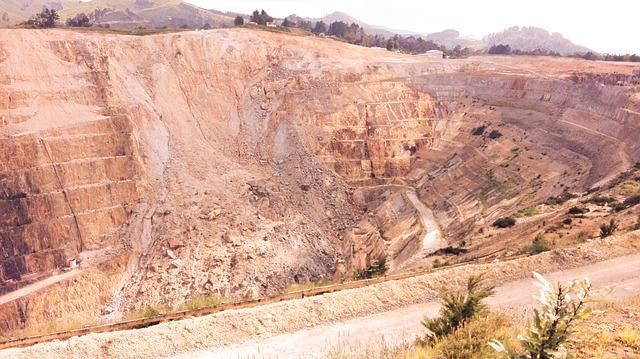
In a sweeping crackdown on illegal gold mining operations across South America, Interpol has announced the arrest of 198 individuals implicated in a major transnational crime syndicate. The operation, which unfolded over several weeks, spanned multiple countries and highlighted the extensive reach of organized crime in the region’s lucrative gold markets. Authorities reported that the arrests were part of a coordinated effort to combat environmental degradation, human trafficking, and illicit activities linked to unregulated mining practices. As South America grapples with the consequences of illegal gold extraction, this significant law enforcement initiative underscores the ongoing battle against a multi-billion-dollar industry shrouded in violence and exploitation.
Crackdown on Illegal Gold Mining Reveals Organized Crime Networks Across South America
The recent enforcement action, which resulted in 198 arrests across multiple countries, has laid bare the extent of sophisticated illegal gold mining operations linked to organized crime. Authorities from Brazil, Peru, Colombia, and Ecuador coordinated through Interpol to dismantle these networks, which reportedly have deep roots in local communities, fostering corruption and economic instability. The operations are not only illegal but also devastating to the environment, leading to severe deforestation and pollution of waterways, impacting both biodiversity and local populations.
Among the findings, law enforcement uncovered a network of criminal organizations engaged in various illicit activities related to gold mining, including:
- Illegal extraction of gold from protected areas
- Smuggling operations that circumvent taxes and regulations
- Involvement of local politicians who receive bribes to overlook illegal activities
- Violence and intimidation tactics used against environmental activists
| Country | Number of Arrests | Seized Equipment |
|---|---|---|
| Brazil | 80 | Mining machinery, firearms |
| Peru | 67 | Gold processing equipment |
| Colombia | 30 | Transport vehicles |
| Ecuador | 21 | Mobile labs |
Strategies for International Cooperation and Sustainable Practices in the Fight Against Cross-Border Mining Operations
The recent arrest of 198 individuals involved in cross-border illegal gold mining operations across South America highlights the urgent need for cohesive strategies in addressing this growing problem. Nations must collaborate more closely, sharing intelligence and resources to dismantle illicit networks that threaten environmental sustainability. Key initiatives include:
- Enhanced Bilateral Agreements: Countries can establish agreements that streamline cooperation in enforcement and regulations regarding mining activities.
- Joint Task Forces: Forming multi-national teams dedicated to monitoring and closing illegal mining operations can strengthen law enforcement presence in affected regions.
- Community Engagement: Partnering with local communities to promote sustainable mining practices and raise awareness about the legal implications of illegal activities may deter engagement with unlawful operations.
Furthermore, the role of technology cannot be understated in combating illegal mining. Utilizing satellite imagery and drones to monitor deforestation and unauthorized mining site expansions can play a pivotal role in real-time surveillance. To facilitate international efforts, countries should consider implementing:
| Technology Solutions | Description |
|---|---|
| Geospatial Analysis | Mapping illegal mining activities to support enforcement actions. |
| Blockchain for Transparency | Creating transparent supply chains to prevent illegal gold from entering markets. |
| Mobile Reporting Tools | Empowering locals to report illegal activities anonymously via mobile applications. |
Wrapping Up
In conclusion, the unprecedented operation that led to the arrest of 198 individuals involved in illegal cross-border gold mining in South America highlights the urgent need for collaborative international efforts to combat environmental crimes and organized crime networks. As authorities continue to investigate and dismantle these operations, the coordinated efforts of Interpol and local law enforcement serve as a crucial step toward protecting both the region’s natural resources and its communities. The significant scale of this operation not only underscores the challenges posed by illegal mining activities but also emphasizes the importance of vigilance and cooperation among nations in addressing these complex issues. With continued pressure on illegal activities and a focus on sustainable practices, there is hope for a future where natural resources are managed responsibly and equitably across borders.

