

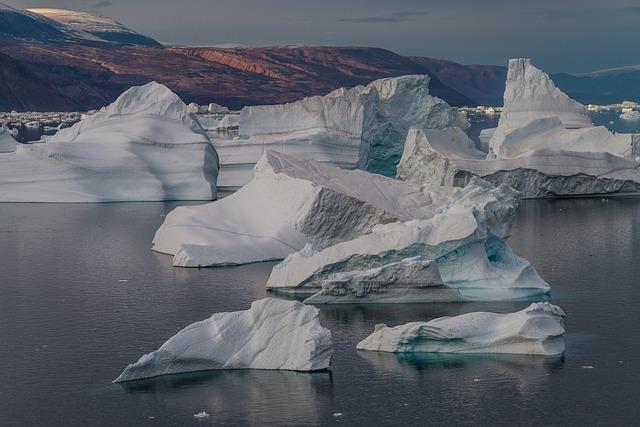
In a decisive response to former President Donald Trump’s claims regarding extensive U.S. oil, gas, and mineral exploration in Greenland, the autonomous Danish territory has firmly rejected the assertions, highlighting the nation’s commitment to sustainable development and environmental protection. The controversy reignited discussions about Greenland’s vast natural resources, which have attracted global interest amid the pressing challenges of climate change and economic diversification. As tensions rise between geopolitical ambitions and environmental stewardship, this latest development underscores the complexity of resource management in a region increasingly impacted by global warming and international interests. In this article, we delve into Greenland’s official stance, the implications for U.S.-Greenland relations, and the broader context of resource exploitation in the Arctic.
Greenland Reaffirms Commitment to Environmental Protection Amid U.S. Resource Claims
In a decisive move, Greenland’s government has categorically rejected former President Donald Trump’s assertions regarding the potential for “massive” oil, gas, and mineral exploration within its territory. Officials emphasized that Greenland remains firmly committed to preserving its pristine environment, prioritizing sustainability over exploitative resource extraction. The local leadership reiterated the importance of balancing economic development with environmental stewardship, clearly indicating a preference for renewable energy initiatives rather than traditional fossil fuel dependencies.
As part of their ongoing commitment to environmental preservation, Greenland is focusing on a strategic approach that includes:
- Investment in renewable energy: Expanding wind and solar power projects to reduce carbon footprint.
- Promotion of sustainable tourism: Encouraging eco-friendly practices to preserve natural landscapes while boosting the economy.
- Community engagement: Involving local populations in decisions that affect their environment and livelihood.
This steadfast resolve reflects a broader trend among Arctic nations to safeguard their natural resources from outside exploitation, highlighting the need for responsible governance in an era where climate change poses an ever-growing threat.
Impact on U.S.-Greenland Relations and Future Prospects for Collaborative Sustainability Efforts
The recent rejection by Greenland of claims regarding extensive U.S. oil, gas, and mineral exploration has had notable implications for the diplomatic relationship between the two territories. Greenland’s response emphasizes its commitment to preserving its natural resources and underscores the importance of local governance in decisions about resource management. This situation highlights the delicate balance between economic interests and environmental sustainability, prompting both Greenland and the U.S. to reassess their strategies for collaboration in an era increasingly defined by climate change and resource conservation.
Moving forward, opportunities for cooperative sustainability efforts remain pivotal in reshaping U.S.-Greenland relations. Key areas for future collaboration may include:
- Renewable Energy Initiatives: Joint projects focusing on wind and solar energy development.
- Climate Research: Collaborative studies on climate impacts in the Arctic region.
- Marine Conservation: Strategies to protect vulnerable marine ecosystems.
Additionally, a recent survey highlights public sentiment on sustainable practices:
| Collaboration Area | Public Support (%) |
|---|---|
| Renewable Energy | 85% |
| Climate Research | 78% |
| Marine Conservation | 90% |
Overall, these areas reflect a mutual understanding and commitment to a sustainable future, paving the way for a strengthened partnership that respects Greenland’s autonomy while addressing global environmental challenges.
The Way Forward
In conclusion, Greenland’s firm rejection of former President Trump’s assertions regarding extensive U.S. oil, gas, and mineral exploration on the island underscores the complex interplay between environmental stewardship and economic interests. As the global conversation around climate change intensifies, Greenland’s commitment to sustainability and responsible resource management presents both a challenge and an opportunity for international relations, particularly with the United States. The island’s leaders have made it clear that they prioritize the protection of their unique ecosystems over potentially lucrative fossil fuel ventures. As the world increasingly shifts towards renewable energy, this decision signals a critical moment for both Greenland and the global community in navigating the future of resource exploration in sensitive environments.

