Grenada: The Day U.S. Troops Invaded the Country
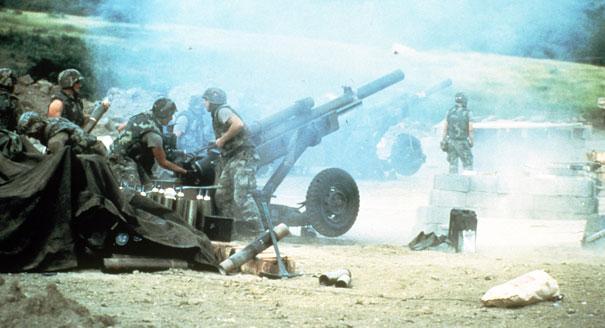
On October 25, 1983, the tranquil Caribbean island of Grenada was thrust into the global spotlight as U.S. military forces launched a controversial invasion, known as Operation Urgent Fury. As sprawling narratives of Cold War tensions and regional instability unfolded, this unexpected military action not only altered the course of Grenada’s history but also ignited debates about U.S. interventionism in the Caribbean and beyond. With echoes of ideological battles from the past still resonating today, the events that transpired during this pivotal day serve as a crucial chapter in understanding the intricate geopolitical landscape of the region. In this article, we delve into the reasons behind the invasion, its immediate aftermath, and its lasting impact on Grenada and U.S.-Caribbean relations.
The Historical Context of U.S. Military Intervention in Grenada
To understand the factors leading up to the U.S. military intervention in Grenada in 1983, it’s essential to examine the geopolitical landscape of the Caribbean during the late 20th century. Following the Cuban Revolution in 1959, the region became a focal point for U.S. foreign policy, largely driven by a desire to counter Soviet influence in Latin America. The rise of leftist governments and movements spurred fears of communism spreading throughout the Caribbean. Amidst this backdrop, Grenada’s political situation escalated after the 1979 coup led by Maurice Bishop, whose government received support from Cuba and presented itself as a socialist alternative, raising alarms in Washington about the impact on nearby islands and the safety of American citizens living abroad.
In addition to rising tensions, the U.S. was also motivated by humanitarian concerns. The violent power struggle in Grenada culminated in October 1983, when the alarming reports of civil unrest and the deterioration of law and order drew international attention. The overthrow of Maurice Bishop and the subsequent installation of a Marxist regime triggered a swift response. The U.S. justified the intervention-named Operation Urgent Fury-by arguing that it aimed to protect American citizens, restore democratic governance, and stabilize the region. These justifications resonated with the American public, drawing on prior experiences in other nations and fears of a broader communist expansion in the Caribbean. Below is a simplified overview of key events surrounding the intervention:
| Date | Event |
|---|---|
| March 13, 1979 | Coup led by Maurice Bishop |
| October 1983 | Bishop is overthrown and executed |
| October 25, 1983 | U.S. military intervention begins |
| December 1983 | Last U.S. troops withdraw from Grenada |
Local Perspectives on the Aftermath of the Invasion
In the wake of the invasion, Grenadians faced an emotional and complex landscape as communities grappled with feelings of betrayal, hope, and uncertainty. Many locals recount vivid memories of the early days, as the sounds of gunfire echoed through once-peaceful neighborhoods. The immediate aftermath saw a mix of unity and division among residents, with some viewing the American military presence as liberators from a tumultuous political regime, while others perceived it as an unwarranted aggression against their sovereignty. These contrasting viewpoints fostered an environment ripe for discussion, reflection, and ultimately, a reevaluation of national identity.
The narratives emerging from this period highlight several key themes that resonate with the collective psyche of the nation:
- A Struggle for Sovereignty: Many Grenadians questioned the implications of foreign intervention on their independence.
- Community Resilience: Grassroots efforts sprang up almost immediately, focused on rebuilding and supporting one another.
- The Politics of Memory: Ongoing debates about how the invasion should be remembered and taught in schools emerged within various factions of society.
| Theme | Local Reaction |
|---|---|
| Unity vs. Division | Communal efforts to provide aid dominated discussions. |
| Reflection on National Identity | Debates on independence and sovereignty intensified. |
Lessons Learned and Paths Forward for Grenada’s Future
The legacy of the U.S. invasion in Grenada on October 25, 1983, serves as a complex lesson for future governance and international relationships. Reflecting on this pivotal moment, it is crucial for Grenadians to recognize the significance of maintaining robust national sovereignty and unity. Some key takeaways include:
- Strengthening Democratic Institutions: A strong emphasis on enhancing democratic governance can empower the citizenry and reduce external interference.
- Fostering Regional Cooperation: Embracing alliances within the Caribbean community can bolster economic resilience and collective security.
- Promoting Civic Engagement: Encouraging political awareness and participation among the populace can lead to more informed decision-making at all levels.
As Grenada looks to the future, addressing historical grievances while building a cohesive national identity will be paramount. Active engagement in international forums can facilitate beneficial partnerships and minimize the risk of foreign intervention. Future pathways may involve:
- Enhancing Economic Diversification: By investing in tourism, agriculture, and technology sectors, Grenada can create a self-sustaining economy less vulnerable to external shocks.
- Investing in Education and Healthcare: Prioritizing human capital development is key to nurturing a prosperous and resilient society.
- Utilizing Sustainable Practices: Implementing eco-friendly policies can bolster the nation’s appeal as a tourist destination and safeguard its natural resources for generations to come.
Insights and Conclusions
In conclusion, the invasion of Grenada by U.S. troops in 1983 remains a significant event in the annals of Caribbean history. As we reflect on that fateful day, it’s crucial to understand the complex interplay of geopolitics, regional stability, and the island’s quest for independence. The operation, intended to restore order and protect American citizens, sparked debates about interventionism, sovereignty, and the long-term consequences for Grenada and the wider Caribbean region. As Grenada continues to evolve, the memories of that day serve as both a reminder of past struggles and a lesson for future diplomacy. As we mark this anniversary, it’s important to foster dialogue about the impact of foreign intervention and to honor the resilience of Grenadians who continue to shape their nation’s destiny.