

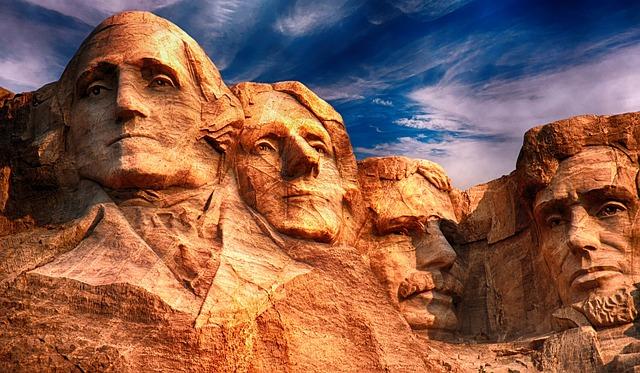
Title: Teddy Roosevelt, American Imperialism, and the Legacy of Puerto Rico
In the annals of American history, few figures loom as large as Theodore Roosevelt, whose presidency marked a pivotal era of transformation for the United States on both domestic and international fronts. As a key architect of American imperialism in the late 19th and early 20th centuries, Roosevelt’s policies profoundly impacted territories acquired through military and political means, reshaping the nation’s global standing. Among these territories is Puerto Rico, a Caribbean island that became a focal point of the unfolding American empire. This article delves into the complex interplay between Roosevelt’s vision of American expansionism, the implications for Puerto Rico, and the enduring legacy of these historical dynamics. As we explore this intersection of leadership, policy, and colonial rule, we gain a clearer understanding of how the echoes of Roosevelt’s era continue to resonate in Puerto Rico’s socio-political landscape today.
Teddy Roosevelt’s Vision: Crafting American Imperialism in the Caribbean
Teddy Roosevelt’s tenure marked a pivotal shift in American foreign policy, particularly regarding the Caribbean region. Under his leadership, the U.S. embraced a more assertive role, reflecting a belief in American intervention as a mechanism for stability and moral responsibility. Roosevelt’s vision manifested through key actions, including the Panama Canal project and military interventions in countries like Cuba and the Dominican Republic. This approach not only aimed at advancing American economic interests but also at promoting the idea of a “civilizing mission,” a sentiment that justified expansionist policies during this period.
Puerto Rico, acquired after the Spanish-American War in 1898, became a focal point in Roosevelt’s imperial strategy. The establishment of a civil government in 1900 through the Foraker Act exemplified Roosevelt’s effort to integrate the island into the American political framework while simultaneously maintaining a degree of control. The act laid the groundwork for the following structural developments in Puerto Rico:
| Year | Event | Impact |
|---|---|---|
| 1900 | Foraker Act | Created a civilian government, limited local autonomy |
| 1917 | Jones-Shafroth Act | Granted U.S. citizenship to Puerto Ricans |
| 1952 | Commonwealth Status | Allowed greater self-governance |
This evolving relationship symbolizes the complexities of American imperialism, where economic interests and strategic positioning often overshadowed the aspirations of the local population. Roosevelt’s vision, while fostering infrastructure and economic ties, also entrenched dependencies that continue to shape Puerto Rico’s identity in the contemporary era.
Analyzing the Impact of U.S. Colonial Policies on Puerto Rico’s Development
The colonial policies instituted by the United States following its acquisition of Puerto Rico in 1898 played a pivotal role in shaping the island’s socio-economic landscape. Initially, these policies focused on infrastructural development and public health improvements, which resulted in the modernization of Puerto Rico’s transportation and healthcare systems. However, this era also saw the imposition of economic restrictions that prioritized American interests over local autonomy. As a consequence, locals experienced significant challenges, including the loss of land to U.S. corporations and a shift from traditional agriculture to cash crops, leading to vulnerabilities in food security.
Over the decades, Puerto Rico’s development trajectory has been marked by a complex interplay between dependency and resistance. The establishment of the Foraker Act in 1900 and the Jones-Shafroth Act in 1917 redefined Puerto Rico’s political status, granting limited self-governance while maintaining strict economic control by the U.S. The federal government’s focus on promoting U.S. business interests facilitated industrialization but also deepened social inequalities. Key highlights of U.S. colonial policy impacts include:
- Economic Control: American businesses significantly influenced local economic policies.
- Cultural Impacts: A shift in education emphasizing English over Spanish, affecting cultural identity.
- Migration Patterns: A rise in emigration to the mainland U.S. in search of better opportunities.
| Year | Policy/Act | Impact |
|---|---|---|
| 1900 | Foraker Act | Established civilian government; limited self-rule. |
| 1917 | Jones-Shafroth Act | Granted U.S. citizenship; maintained economic oversight. |
| 1947 | Elective Governor Law | Allowed direct election of Puerto Rican governor. |
Recommendations for Addressing Puerto Rico’s Legacy of Imperialism Today
To effectively confront the enduring effects of imperialism on Puerto Rico, a multifaceted approach is essential. Key areas for focus include:
- Restoration of Autonomy: Advocating for increased self-governance that respects the voices of Puerto Ricans, enhancing their political and economic independence.
- Economic Investment: Promoting sustainable development initiatives that uplift local businesses and reduce reliance on external resources.
- Cultural Preservation: Supporting programs that celebrate Puerto Rican heritage, ensuring the island’s cultural identity remains vibrant amidst globalization.
- Education Reform: Implementing educational policies that prioritize local knowledge and history, fostering a generation that understands their rights and history.
Engaging in active dialogue with policymakers is vital for driving these initiatives forward. A collaborative effort among community leaders, citizens, and the federal government can be guided by principles such as:
| Principle | Description |
|---|---|
| Equity | Ensuring fair distribution of resources and opportunities across all communities. |
| Inclusivity | Incorporating diverse perspectives in decision-making processes. |
| Sustainability | Fostering initiatives that are environmentally and economically sustainable. |
Final Thoughts
In conclusion, the legacy of Teddy Roosevelt’s presidency is inextricably linked to the broader narrative of American imperialism and its lasting impact on Puerto Rico. Roosevelt’s vision for a powerful United States paved the way for significant territorial expansions, fundamentally reshaping the political and economic landscape of the Caribbean. While the acquisition of Puerto Rico marked a new chapter in the island’s history, it also raised pressing questions about sovereignty, self-determination, and the responsibilities that come with power. Today, as Puerto Rico continues to navigate the complexities of its political status and relationship with the mainland, the echoes of Roosevelt’s decisions remind us of the profound effects of imperial policy on local populations. Understanding this historical context is crucial as we engage in contemporary discussions about Puerto Rico’s future and the ongoing implications of American governance. As we reflect on these themes, it becomes evident that the past is not merely a distant memory but a vital component in shaping the social and political realities that Puerto Rico faces today.

