

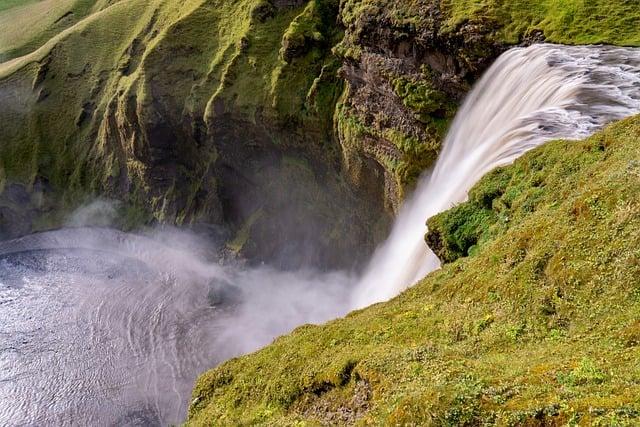
Exploring Earth’s Treasures: The Role of Geology in Our National Parks
As millions of visitors flock to America’s national parks each year, the stunning landscapes and diverse ecosystems captivate their senses. Yet, beneath the awe-inspiring vistas lies an intricate geological narrative that shapes not only the parks’ topography but also their flora, fauna, and the very history of our planet. The National Park Service (NPS) is committed to preserving these geological wonders, offering insight into the forces that have sculpted mountains, carved canyons, and formed ecosystems over millennia. In this article, we delve into the geological significance of our national parks, spotlighting the NPS’s efforts to educate the public about the earth’s dynamic processes and the importance of conservation. From the ancient rock formations of the Grand Canyon to the volcanic landscapes of Yellowstone, geology is not just a science-it’s a vital part of the narrative that connects us to the natural world.
Exploring the Rock Layers: Understanding Geological Features in National Parks
When hiking through the breathtaking landscapes of our national parks, it’s hard to miss the stunning rock formations that have been shaped over millennia. These geological features tell a story of the Earth’s history, marked by the processes of erosion, sedimentation, and volcanic activity. Visitors can often observe distinct layers of rock, each representing different geological epochs. The contrast in colors, textures, and types of minerals within these layers provides a visual narrative of the environmental changes our planet has undergone. Understanding these layers not only enriches our appreciation of the parks but also underscores the importance of preserving these natural wonders for future generations.
To further delve into the geological marvels of national parks, consider the following key features that are commonly observed:
- Stratification: The layering of sedimentary rocks that reveals the history of deposition.
- Unconformities: Gaps in the geological record that indicate periods of erosion or non-deposition.
- Fossil Tracks: Remnants of ancient life encapsulated in rock layers, providing insight into past ecosystems.
- Volcanic Intrusions: Occurrences where molten rock has penetrated existing formations, forming unique structures.
The table below highlights some notable national parks and their distinguishing geological features:
| National Park | Geological Feature |
|---|---|
| Grand Canyon | Stratified rock layers revealing 2 billion years of geological history. |
| Yellowstone | Active geothermal features such as geysers and hot springs. |
| Yosemite | Granite cliffs and glacially shaped valleys showcasing glacial erosion. |
| Badlands | Colorful rock formations and eroded buttes reflecting rapid sedimentation. |
Preserving Natural Heritage: The Role of Geology in National Park Conservation
Geology plays an indispensable role in the preservation of national parks, serving as the foundation upon which diverse ecosystems thrive. It helps us understand the unique landscapes formed over millennia, from towering mountains to sprawling valley floors. The intricate layers of sedimentary rock tell a story of the Earth’s past, revealing information about ancient climates, volcanic activity, and tectonic shifts. Through geological surveys and studies, conservationists can identify critical areas that require protection to ensure the preservation of these natural wonders. Effective land use planning and management strategies can be developed based on these geological insights, promoting the long-term sustainability of the parks.
Moreover, educating the public about the interconnections between geology and biodiversity can enhance conservation efforts. When visitors recognize the significance of geological features, they’re more likely to appreciate and protect these natural assets. Park programs often include guided tours and informational displays that emphasize the importance of geology in preserving habitats for wildlife and plant species. Collaborative efforts between geologists, ecologists, and park services are essential for monitoring and mitigating impacts from human activities, climate change, and natural disasters. Such partnerships exemplify the proactive approach needed to maintain the ecological integrity of our treasured national parks.
Educational Opportunities: Engaging Visitors with Geology Through Guided Tours and Programs
The National Park Service offers a variety of guided tours and educational programs that immerse visitors in the wonders of geology. These experiences are designed to not only showcase the stunning landscapes shaped by natural forces but also to foster a greater understanding of Earth’s history and processes. Through hands-on activities and expert-led discussions, participants can explore topics such as rock formation, plate tectonics, and the intricacies of local ecosystems. Examples of engaging programs include:
- Interactive Nature Walks: Guided hikes that educate on geological features and formations.
- Workshops for Families: Fun, educational sessions focusing on rock identification and fossil hunting.
- Junior Ranger Programs: Activities tailored for children that highlight the importance of geology in national parks.
To enhance the learning process, the National Park Service also hosts seasonal events where visitors can engage with geologists and park rangers. These events often include special talks, live demonstrations, and field trips to significant geological sites. The diverse range of activities not only proves the significance of geology in our daily lives but also promotes conservation efforts by educating the public about the delicate balance of natural ecosystems. Below is a table highlighting some of the key events and their themes:
| Event | Date | Focus |
|---|---|---|
| Rock the Park | May 5, 2024 | Earth Sciences for Families |
| Fossil Fest | July 12, 2024 | Discovering Ancient Life |
| Geology Under the Stars | September 20, 2024 | Nighttime Geological Observations |
Wrapping Up
In conclusion, the National Park Service’s commitment to geology not only enhances our understanding of the Earth’s dynamic processes but also enriches the visitor experience in our national parks. Through informative programs, educational resources, and ongoing research, the NPS plays a crucial role in preserving these geological treasures for future generations. As we continue to explore the intricate relationships between geological formations, ecosystems, and human history, it becomes increasingly clear that our nation’s parks are more than just scenic landscapes; they are living laboratories that offer vital insights into the planet’s past and future. For anyone passionate about the natural world, a visit to these geological wonders is not just a journey through time but an invitation to appreciate the intricate tapestry of life shaped by the forces of nature.

