

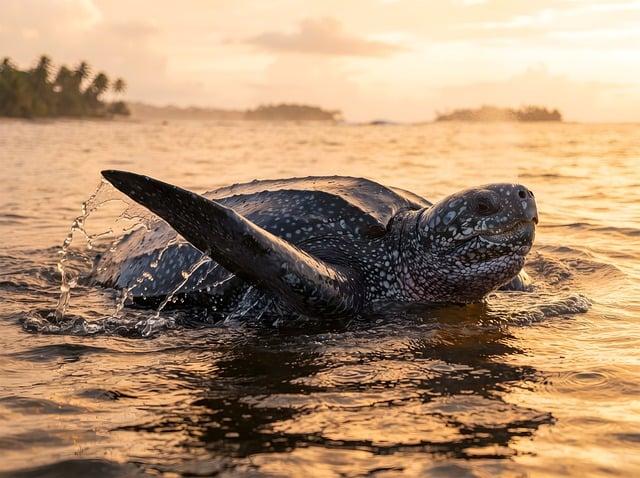
In the lush landscapes of Suriname, South America’s smallest country, a silent crisis unfolds as the endangered leatherback turtle navigates the treacherous waters of extinction. Known for their impressive size and long migrations, these majestic creatures are facing unprecedented challenges, ranging from habitat loss to poaching. To shed light on the efforts to save these ancient mariners, we turned to Liz McHuron, a dedicated conservationist and marine biologist who has spent years working on the ground in Suriname. In this exclusive interview, McHuron shares insights into the critical projects aimed at protecting leatherback turtles and highlights the collaborative efforts between local communities, government, and international organizations. As Suriname strives to balance ecological preservation with the needs of its people, the fate of the leatherback turtle hangs in the balance, making this an urgent call-to-action for conservation on both local and global scales.
Conservation Efforts in Suriname: The Urgent Need to Protect Leatherback Turtle Nesting Grounds
The leatherback turtle, a majestic marine creature known for its impressive size and unique diet, faces urgent threats in Suriname. This small South American nation is home to some of the most vital nesting grounds for leatherbacks in the world. However, increasing challenges such as coastal development, illegal fishing, and the climate crisis pose severe risks to these treasured habitats. Marine biologist Liz McHuron emphasizes the necessity of protective measures, stating that “conservation efforts must prioritize these nesting sites, as they are crucial for the survival of the species.” Without immediate action, these turtles could vanish from Suriname’s shores, jeopardizing not only a vital part of the ecosystem but also the local communities that depend on the health of their marine environment.
Effective conservation strategies are being proposed to address these challenges. Among them are initiatives focusing on community engagement and education, as well as enhanced enforcement against illegal activities. Key components of these efforts include:
- Monitoring nesting sites: Tracking and studying nesting patterns to better understand turtle behaviors and needs.
- Community workshops: Educating locals about the importance of protecting leatherbacks and involving them in conservation efforts.
- Collaborative partnerships: Working with environmental organizations and governmental bodies to strengthen protective regulations.
| Threat to Leatherbacks | Impact on Nesting Grounds |
|---|---|
| Coastal Development | Destruction of nesting habitats |
| Illegal Fishing | Decline in food source availability |
| Climate Change | Altered beach conditions |
Challenges and Opportunities: Insights from Liz McHuron on Marine Conservation in Suriname
In Suriname, the protection of leatherback turtles faces a multifaceted set of challenges, as highlighted by marine conservationist Liz McHuron. Among the primary hurdles are the escalating threats from illegal poaching and habitat degradation, driven by both local and international demand. McHuron states that community engagement is vital to combat these issues. By fostering a sense of stewardship among local populations, who have traditionally relied on coastal resources, conservation efforts can become more effective. Key challenges identified include:
- Illegal Fishing: The rise in poaching activities jeopardizes nesting sites.
- Ecosystem Disruption: Urban development and pollution threaten coastal habitats.
- Lack of Awareness: Insufficient knowledge regarding the turtles’ ecological importance hinders conservation efforts.
Despite these challenges, McHuron emphasizes the untapped opportunities within Suriname’s rich biodiversity. The country’s unique position, hosting significant populations of leatherback turtles, presents a critical chance for conservationists to implement innovative strategies. International collaboration and funding have the potential to bolster local projects. Areas of opportunity include:
- Eco-Tourism: Promoting sustainable tourism can provide economic incentives for conservation.
- Educational Programs: Enhancing awareness campaigns can shift public perception towards conservation.
- Community-Led Initiatives: Supporting grassroots movements can empower locals to take action.
Community Engagement and Awareness: Strategies for Sustainable Protection of Leatherback Turtles
Community engagement plays a pivotal role in the preservation of leatherback turtles, particularly in regions like Suriname where these majestic creatures nest. To foster local involvement, organizations and activists are implementing a variety of strategies aimed at raising awareness and inspiring action. Key approaches include:
- Education workshops for local communities, focusing on the importance of leatherback turtles in marine ecosystems.
- Collaboration with local fishermen to promote sustainable fishing practices, minimizing bycatch and habitat disruption.
- Incentive programs that reward communities for protecting nesting sites, thereby creating a vested interest in the survival of these turtles.
- Social media campaigns to reach a wider audience, encouraging both local residents and international supporters to engage with conservation efforts.
Additionally, the establishment of community-led monitoring programs has shown promising results. These initiatives empower local inhabitants to take charge of turtle protection by observing nesting activities and reporting illegal poaching. This grassroots involvement not only enhances surveillance but also helps build a sense of pride and responsibility within the community. A recent study highlighted the impact of this approach, indicating a 30% increase in nesting success rates in areas with active community participation. By positioning local people as stewards of the environment, conservationists hope to ensure the long-term survival of leatherback turtles in Suriname.
Closing Remarks
As the sun sets over the verdant coastlines of Suriname, the urgent call to protect the leatherback turtle resonates louder than ever. Our conversation with Liz McHuron sheds light on the multifaceted efforts being undertaken in this small but significant nation to conserve these majestic creatures. With the collaboration of local communities, conservation organizations, and international partners, there is a renewed hope for the future of the leatherbacks that nest along Suriname’s shores.
Yet, the challenges remain formidable. Climate change, habitat destruction, and illegal poaching continue to threaten their survival. McHuron’s insights remind us that the commitment to conservation is not merely a task but a vital mission that requires collective action. As Suriname navigates these complexities, it stands as a pivotal player in the global conservation arena.
The journey ahead demands vigilance, innovation, and compassion-a collective effort to ensure that the ancient journey of the leatherback turtle continues for generations to come. As we conclude this exploration into the conservation efforts in Suriname, we are left with both a sense of urgency and a glimmer of hope. The fight to save the leatherback turtle is ongoing, and every action counts in the quest to preserve the delicate balance of our shared ecosystems.

